Situations
What to play in the twenty minutes before dinner is ready
Short isn't the property you want. Interruptible is.
· 5 min read
Everyone picks the wrong property
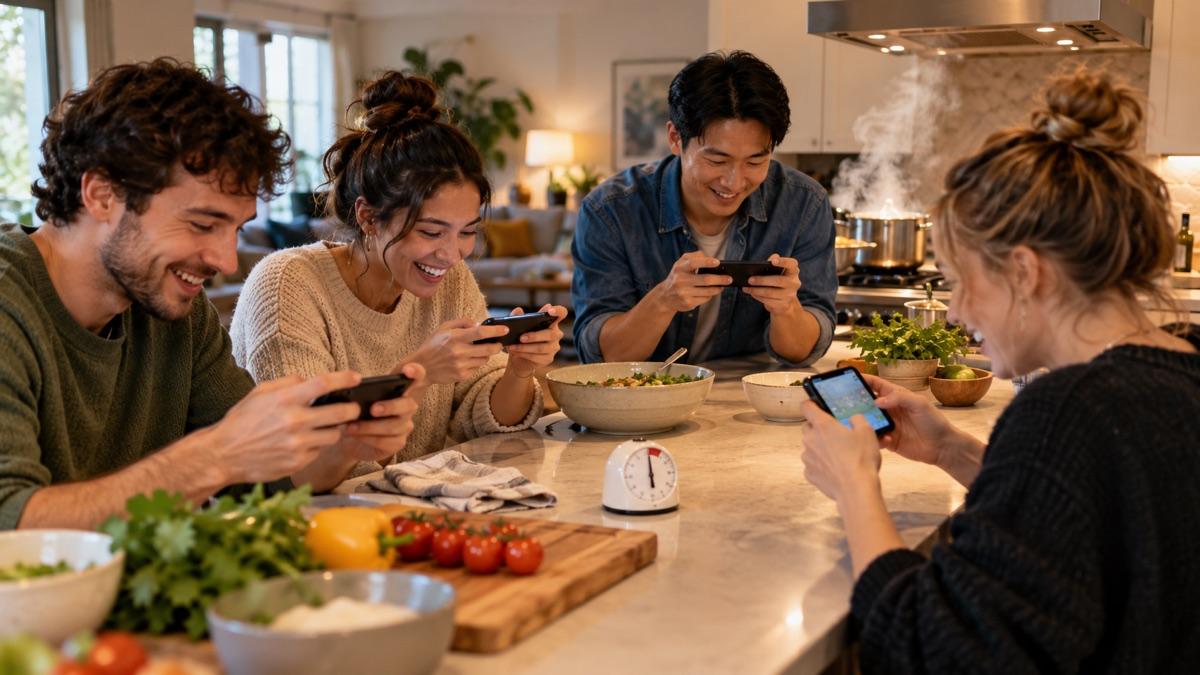
Asked for a game for twenty minutes, people reach for a short game. That's the wrong axis, and it's why the gap before dinner so often gets filled with something that's still going on when the food lands.
What you want is a game that can *stop*. A twenty-minute game interrupted at minute fourteen is a waste of fourteen minutes. A game made of ten-second rounds interrupted at any moment has lost nothing at all, because the round that was in progress was never the point.
Length is about the total. Interruptibility is about the unit. Only one of them survives contact with a kitchen timer.
Games whose unit is seconds
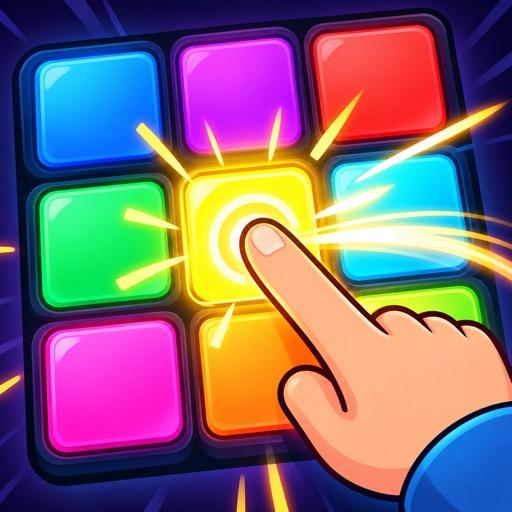
Reaction Grid is the most interruptible game on the site and the correct answer to this question more often than not. A tile lights up, the fastest tap scores, repeat. Nobody has invested anything in any individual round, so "right, that's dinner" costs nothing, and it takes ten seconds to teach by demonstration, so latecomers join mid-flow without a pause.
Word Chain is the same shape with words: one word, then a word starting with its last letter. It also has the pleasant property of running at whatever pace the room has. Standing around a kitchen, half-attending, it works. Sitting down and concentrating, it also works, and gets sharper.
Emoji Decode rounds are a handful of seconds each and it has the best ratio of setup to laughter of anything short. The only caveat is that the answers are films, so a room that doesn't share a film culture will stall. Check before you commit the twenty minutes to it.
The two-player case, which is most of them
Half the time this situation isn't a group at all. It's two people waiting, and one of them is cooking.
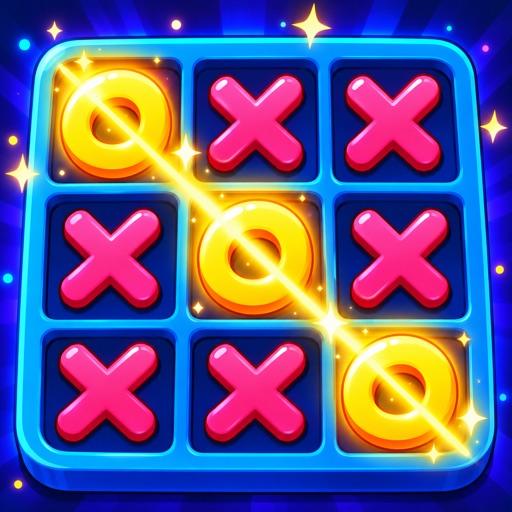
Tic Tac Toe isn't a great game and it's an excellent twenty-minute game, which are different claims. A round is under a minute, the loser gets to go again immediately, and it demands no attention from the person who's actually watching a pan. That last quality is worth more than depth here: a game that punishes divided attention isn't usable in a kitchen.
What not to start
Don't start anything with a setup phase. Any game that begins by dealing, assigning, or explaining has spent its first three minutes before producing anything, and if dinner arrives at minute eight you got nothing for them.
Don't start anything with elimination. Twenty minutes isn't long enough to get the eliminated people back in, and somebody spending the last eight minutes out of the game while also being the person who was hungriest is a bad outcome.
And don't start a game with a leaderboard that matters. The thing that makes the pre-dinner slot work is that it's disposable. The moment there's a standing to defend, somebody will want to finish it, and now the food is cold and it's your fault.
The games in this post

More like these on Quick Games.
Ready to try it?
Start a room in a few taps. No account, nothing to install.