Game guides
How to run a Diwali Tambola night
The game is easy. The tickets, the calling and the arguments about claims are the work.
· 6 min read
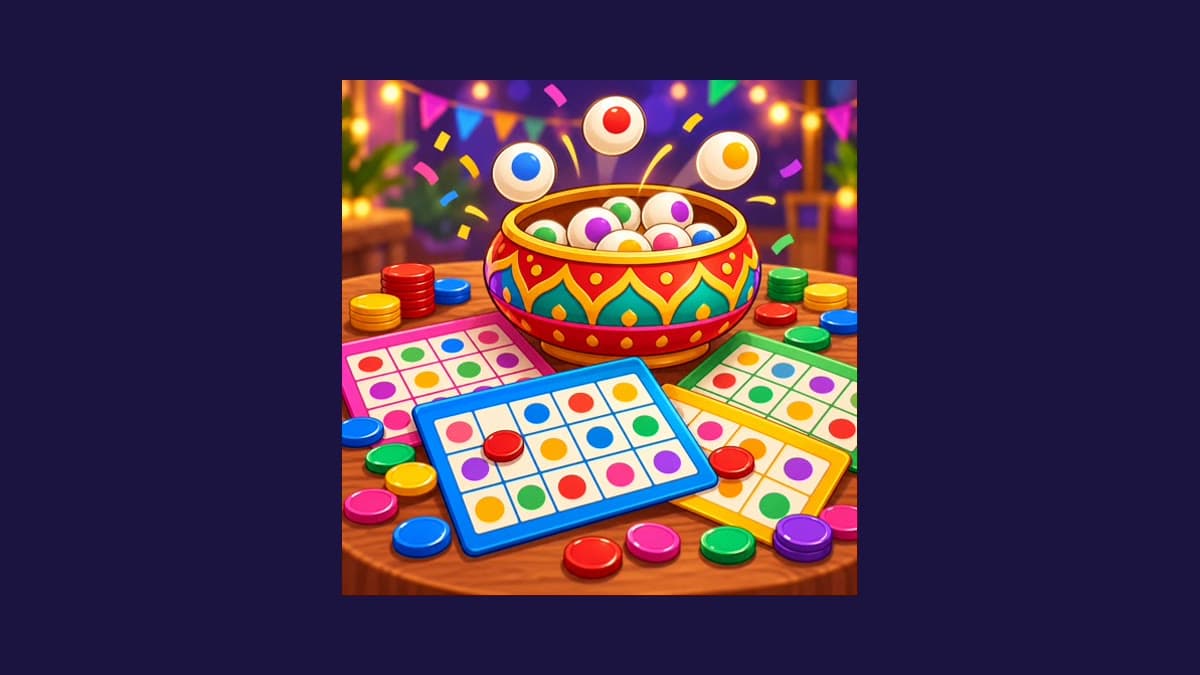
The caller is the one person who never plays
Every family that plays Tambola at Diwali has a caller, and it is usually the same person every year. They bought the tickets, they found the pen that works, they sit with the box of numbers while everyone else plays, and at the end they settle the argument about whether that really was a full house. They have a lovely time, in the way that the person who cooks has a lovely time.
The second job nobody mentions is the ticket checker. A claim is shouted, the evening stops, and somebody squints at a crumpled ticket against a list of called numbers. Half the time it was right. The other half, it was the number before, and now there is a debate.
Running the evening on Tambola here takes both jobs away. Everybody gets a ticket on their own phone, the numbers are called on a timer, and a claim is checked against what was actually called before anyone hears about it. The person who has called every year gets a ticket of their own.
Before the first number
One person creates the room and shares the code or the link in the family group. People join on their phones with whatever name they like, and the room seats up to fifty, which covers the year three cousins bring their in-laws.
Look at the settings before you start rather than after the first complaint. The gap between numbers is six seconds by default and goes from three to twenty. Six is right for a room of regulars. If the grandparents are playing, put it at ten or twelve and nobody will ask you to repeat a number.
The prizes are Early Five, the three lines, Four Corners and Full House. Early Five and Four Corners can each be switched off, which is the easiest way to make a draw shorter or calmer. "Tickets per session" decides how many draws you play before the scores are final; 0 keeps dealing fresh tickets until the host stops.
Two settings decide what kind of evening it is. "Light up the prizes I can claim" is on by default, so a phone shows when a line is complete. Turn it off and you have the hall game: every claim button is live, spotting your own line is the skill, and a wrong claim costs points (five, unless you change it) and bars you from that prize for the rest of the draw. "Mark called numbers for me" is off by default; switch it on for the relative who keeps looking away to talk, and claiming is still up to them.
Put the board on the TV
The host's screen has a Present to TV button. Open that link on the television's browser or on a laptop plugged into it, and the room gets the board of called numbers filling up, large enough to read from the sofa. The TV screen only shows the game. Nothing typed on it reaches the room, so it does not matter who is sitting nearest to it.
This changes the feel of the evening more than anything else here. People stop looking down at their phones between numbers and start looking up at the same screen, which is what a Tambola night looked like when someone read the numbers out.
Every number comes with its call, and the host picks the style. Classic is the bingo list Indian halls inherited, from "Kelly's eye" to "Top of the shop". Desi is what a family party actually shouts: "Hum do, hamare do" for 4, "Republic Day" for 26, "Quit India" for 42. Both lists are on the Tambola numbers page, and the host can still shout their own version over the top.
Latecomers, the kitchen and the person without a phone
Diwali evenings do not start at a time. Tambola is the one game here that lets people join a draw that has already started: a late arrival gets a fresh ticket and plays from the next number. They are behind, and so is everybody's luck, which is the point of the game.
Somebody will be in the kitchen when the numbers matter. The host can pause the game and resume it when the aarti or the food is done, and the draw picks up exactly where it was. The other host button, Call next, does the opposite: it calls the next number straight away when the room is clearly waiting for the end.
For the one relative who would rather hold paper, print a few from the ticket generator and have someone sit beside them. Two people sharing one phone also works, and with a small child it is usually the better arrangement.
Prizes that are not money
Scores are points, and the leaderboard at the end is the whole result. That is deliberate. A family Tambola does not need cash to be exciting; the full house is exciting because the whole room watched it happen.
If you want something on the table, make it the thing the room already has: first pick from the box of sweets, the job of lighting the first diya, or a pass on the washing-up. A prize everyone can see is worth more at a family evening than one somebody has to count.
An order for the evening
Start with something that needs no explaining while people arrive. Emoji Decode works with any number of people and survives somebody walking in halfway through a question.
Put Tambola in the middle, once the room is full: after the puja and before dinner is the slot most families already use. At the default speed even a full draw of ninety numbers is about nine minutes of calling, so three draws with the talking in between fill about half an hour.
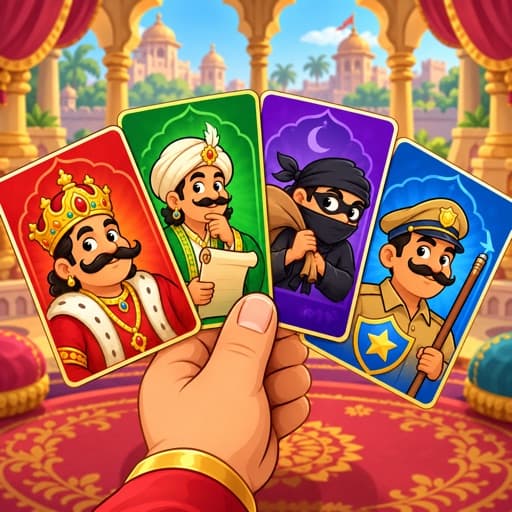
After dinner, when the room is smaller and louder, move to Antakshari, which keeps the letter and the score so the singing can stay the point. If there are children still awake, Raja Wazir Chor Sipahi is the four-player game they will already know. For the card players at the other end of the room, there is a separate guide to Diwali card games without the money.
The games in this post
Tambola
Housie with auto-called numbers and instant claim checks.
- Call friendly
- High energy

Antakshari
Sing on the call — the app keeps the letter, the turn and the score.
- Call friendly
- High energy

Emoji Decode
Guess the movie, show or phrase from emoji clues.
- Quick
- Call friendly
Raja Wazir Chor Sipahi
Guess who the thief is and score big.
- Quick
- Call friendly
More like these on Diwali Party Games.
Free tools for these games
Ready to try it?
Start a room in a few taps. No account, nothing to install.